Visibility That Prevents Pasture Injuries
Equine & Farm Fencing Systems in Raleigh for horse and livestock properties where animals need to clearly see boundary lines before making contact
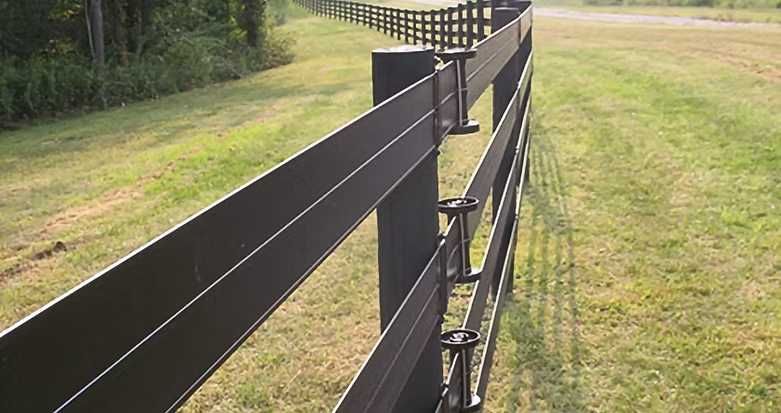
Horses running in paddocks or pastures often collide with fencing they can't distinguish from the surrounding landscape, especially during low-light conditions or when distracted by other animals. Barrier Fencing Supply Company provides highly visible vinyl ranch rail fencing in 2-rail, 3-rail, and 4-rail configurations designed to create a clear visual boundary that horses recognize and respect. Unlike traditional wooden rails that blend into backgrounds or high-tensile wire systems nearly invisible from a distance, vinyl rails maintain high contrast against grass and tree lines, reducing the risk of impact injuries common in equestrian facilities across North Carolina and South Carolina.
Vinyl ranch rail systems require no painting, sealing, or board replacement after weathering, and they won't splinter when horses chew or rub against posts. High-tensile fencing options remain available for larger agricultural properties where cost per linear foot becomes a determining factor, but visibility limitations require strategic placement away from high-traffic riding areas and turnout zones.
Discuss custom farm and equestrian layouts to determine rail configurations and post spacing appropriate for paddocks, riding arenas, and pasture divisions.
How Vinyl Ranch Rail Addresses Pasture Safety
Vinyl ranch rail systems use hollow PVC rails reinforced with aluminum inserts that prevent sagging between posts while maintaining flexibility during impact. Posts are set in concrete at intervals that balance material costs with structural strength, and rail brackets allow the rails to flex outward when struck rather than shattering or creating sharp edges. This design reduces the severity of injuries when horses run into the fence line, compared to rigid materials that don't absorb energy.
After installation, you'll notice horses approach the fence line more cautiously because the white or tan rails stand out against the pasture, and they stop using fence posts as scratching surfaces because the smooth vinyl discourages rubbing. Rails remain intact even after years of sun exposure, and the fence line stays visually consistent without the fading, warping, or board rot common in wood rail systems.
High-tensile wire systems offer lower material costs for perimeter fencing on larger acreage but require regular tension adjustments and visibility enhancements such as colored flags or electric tape to prevent animals from running through sections they don't see. Barrier Fencing Supply Company helps property owners compare rail configurations, post spacing, and total project costs based on property size and intended use.
Answers to Frequent Fencing Questions
Property owners managing equestrian facilities and livestock operations usually ask about durability, maintenance, and layout options before selecting fencing systems.
What makes vinyl ranch rail safer than wooden fencing?
Vinyl rails flex during impact rather than splintering, and they don't create sharp edges or protruding nails that can cut horses. The consistent visibility also prevents surprise collisions common with weathered wooden rails that fade into neutral tones.
How often do vinyl rails need maintenance?
Vinyl systems require no painting, staining, or sealing, and periodic washing with water removes dirt accumulation. Rails won't warp, crack, or rot even in humid conditions common across the Eastern Seaboard, and bracket connections remain secure without annual tightening.
What rail configuration works best for turnout paddocks?
Three-rail systems provide sufficient visibility and containment for most horses without excessive material costs, while four-rail configurations reduce the gap height between rails for properties housing smaller ponies or foals that might attempt to crawl through wider openings.
When should high-tensile wire be used instead of vinyl rails?
High-tensile systems work well for perimeter fencing on properties exceeding ten acres where vinyl rail costs become prohibitive, but they're not recommended for paddocks, riding areas, or anywhere horses move at speed.
How does climate affect vinyl fencing performance?
Vinyl formulations designed for outdoor use resist UV degradation and temperature fluctuations without becoming brittle in winter or soft in summer. In Raleigh and surrounding areas, vinyl systems handle seasonal freeze-thaw cycles and high humidity without the expansion or contraction issues that affect rigid materials like untreated wood.
Barrier Fencing Supply Company works with property owners to plan paddock layouts, pasture divisions, and riding area boundaries that balance safety, visibility, and budget. Arrange a consultation to review property dimensions and discuss rail options suited to your equestrian operation.