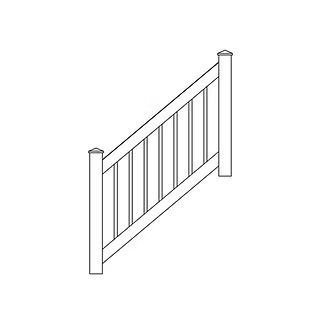
Code-Compliant Railings Without Ongoing Refinishing
Vinyl Railing & Handrail Systems in Raleigh for decks, porches, walkways, and ADA-compliant installations
Deck and porch railings fail when wood rots at fastener penetrations or aluminum oxidizes at dissimilar metal connections, creating safety hazards and code violations. Code-approved vinyl railing systems address height, spacing, and load requirements mandated by residential and commercial building codes while eliminating the maintenance cycles that characterize traditional materials. Barrier Fencing Supply Company distributes vinyl railing systems with structural aluminum and steel reinforcement inserts that improve strength without exposing metal components to weather, suitable for residential decks and commercial walkways across North Carolina's humid climate.
ADA-compliant handrail options meet diameter, projection, and return requirements for accessible routes in commercial and multifamily properties, ensuring occupants with mobility limitations can safely navigate elevation changes. Clean architectural styling integrates with multiple property types without dominating visual aesthetics, and color-molded vinyl resists the UV degradation and moisture absorption that cause painted wood railings to peel and stain adjacent surfaces. Internal reinforcement allows railing systems to meet structural load testing without increasing visible profile dimensions.
Request product specifications and project estimates based on your railing's linear footage and elevation requirements.
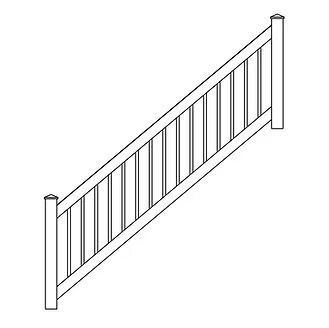
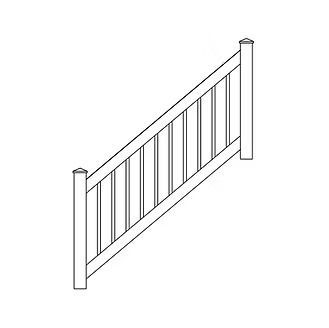
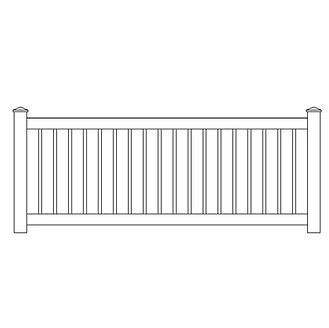
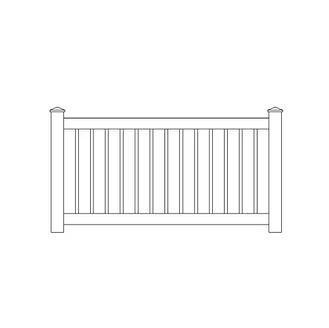
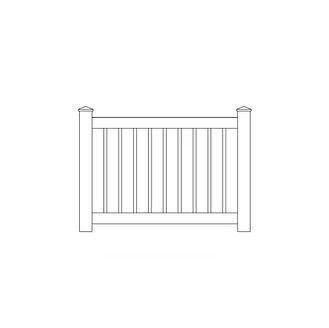
The Difference Between Reinforced and Hollow Vinyl Railings
Vinyl railing systems rely on internal reinforcement to meet code-mandated load testing, which requires top rails to support concentrated and distributed forces without deflecting beyond allowable limits. Aluminum or steel inserts run continuously through top rail sections, transferring loads to posts rather than relying solely on the vinyl profile's structural capacity. Baluster spacing must not exceed four inches to prevent small children from passing through, and this spacing is maintained through pre-routed rail channels or mounting brackets engineered to fixed intervals.
Installations no longer require annual staining or painting, and the non-porous vinyl surface resists mildew growth that discolors wood railings in shaded, moisture-prone areas. You avoid fastener corrosion and wood splitting that occur when seasonal expansion and contraction stress connections, and color remains consistent across all components because pigment is molded throughout the material rather than applied as a surface coating.
ADA handrails provide gripping surfaces at consistent height and projection, with returns that prevent clothing or bags from snagging on exposed ends. Structural testing certifications verify that railing systems meet International Building Code requirements, important for commercial installations subject to inspection and for residential projects where permitting authorities require documentation of code compliance.
Questions Before Starting Your Railing Project
Contractors and property owners evaluating vinyl railing systems need clarity on code compliance, structural reinforcement, and how installation methods affect long-term performance on decks exposed to weather.
What building codes apply to residential deck railings in North Carolina?
Residential decks higher than thirty inches above grade require guardrails at least thirty-six inches tall with baluster spacing not exceeding four inches, and top rails must withstand two hundred pounds of concentrated force applied in any direction; commercial installations follow more stringent International Building Code requirements including forty-two inch minimum heights.
How does internal reinforcement work in vinyl railings?
Aluminum or steel tubes insert into hollow vinyl rail profiles before installation, providing structural support that meets load testing requirements while remaining concealed within the vinyl extrusion; this approach combines vinyl's weather resistance with metal's strength without exposing corrosion-prone surfaces.
Why choose vinyl over wood for porch railings?
Vinyl eliminates the rot, insect damage, and refinishing cycles inherent to wood railings, particularly in Raleigh's humid climate where moisture exposure accelerates wood deterioration and promotes mold growth in crevices around balusters and post connections.
What makes a handrail ADA-compliant?
ADA handrails must have circular cross-sections between one and one-quarter to two inches in diameter, project one and one-half inches from walls, extend twelve inches beyond stair nosings, and include returns that transition back to walls or posts without creating protruding hazards.
When should commercial-grade railing systems be specified?
Any multifamily property, commercial facility, or public space requires commercial-grade railings that meet higher load testing standards and include documentation of code compliance; these systems use heavier reinforcement and more robust mounting hardware than residential alternatives.
Barrier Fencing Supply Company provides vinyl railing systems with all necessary mounting hardware, reinforcement inserts, and installation instructions. Contact our team to review your project's dimensions and receive detailed product information for code-compliant railing installations.